
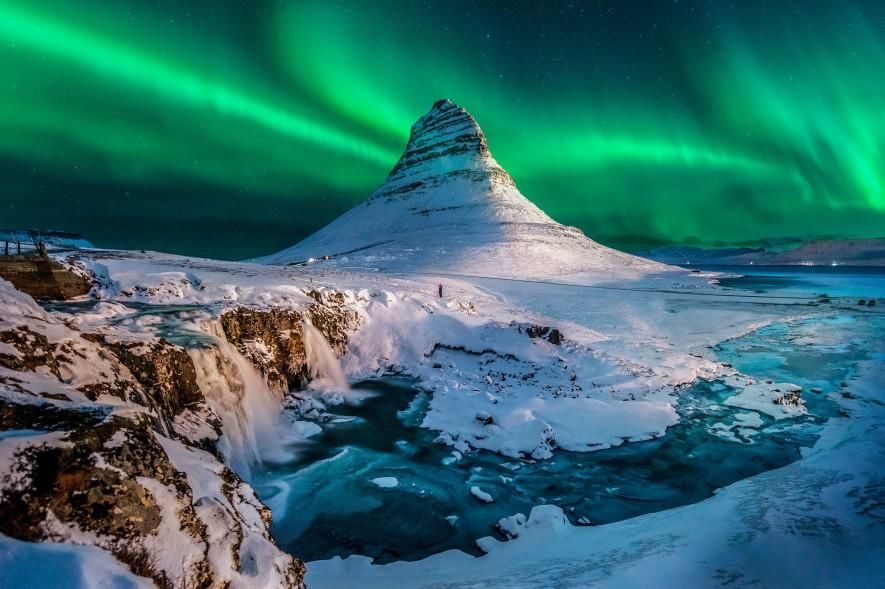
Iceland is an island, a European country, located midway between North America and mainland Europe. It lies just below the Arctic Circle between 64 and 66 degrees north. The capital is Reykjavik. Over 10 percent of Iceland’s territory is covered by glaciers. Due to its volcanic origin, the country’s nature features gushing geysers, natural hot springs, as well as lava fields spreading as far as the eye can see.
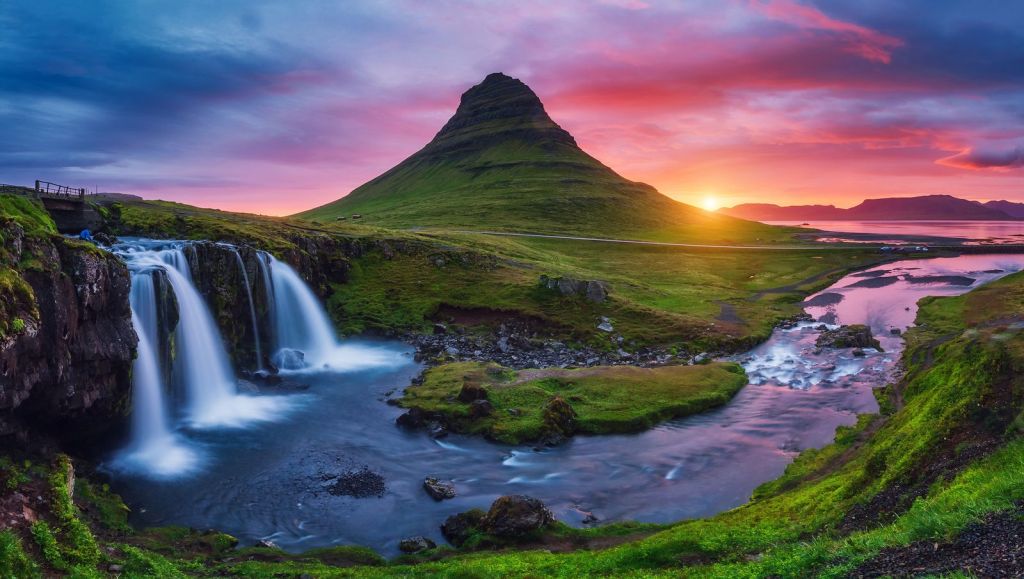
Iceland was founded more than 1,000 years ago during the Viking age of exploration and settled by a mixed Norse and Celtic population. The early settlement, made up primarily of Norwegian seafarers and adventurers, fostered further excursions to Greenland and the coast of North America (which the Norse called Vinland). Despite its physical isolation some 500 miles (800 km) from Scotland—its nearest European neighbour—Iceland has remained throughout its history very much a part of European civilization.
Weather
Iceland’s climate is subpolar oceanic, meaning it has cold winters and cool summers, although the winters are milder than most places of similar latitude thanks to the Gulf Stream, which ensures a more temperate climate to coastal areas all year round.
Population and language
Iceland has a population of 320,000, of which two thirds live in the capital Reykjavík and its metropolitan area. The official language is Icelandic, which is related to other Scandinavian languages such as Danish and Swedish, but English is widely spoken and understood. Iceland’s population is young, with close to 40% under the age of 18. Iceland also boasts one of the highest fertility rates in Europe, ensuring the country a steady population growth through the years.
Iceland today
Today, Iceland ranks among the wealthiest and most developed countries in the world, as well as one of the cleanest, with more than three quarters of its energy consumption derived from hydroelectric & geothermal sources. Iceland is also home to a flourishing art scene and a vibrant cultural life, as testified by Iceland’s countless museums and art galleries, and by the recent opening of the Harpa concert hall in Reykjavík – the largest building of its kind in Northern Europe.
Places to visit
1. The Blue Lagoon. The Blue Lagoon hails in as one of Iceland’s most visited tourist attractions. Despite its volcanic nature, the site is actually very young; formed from the leftover plugholes of a geothermal power plant in the 1970s.
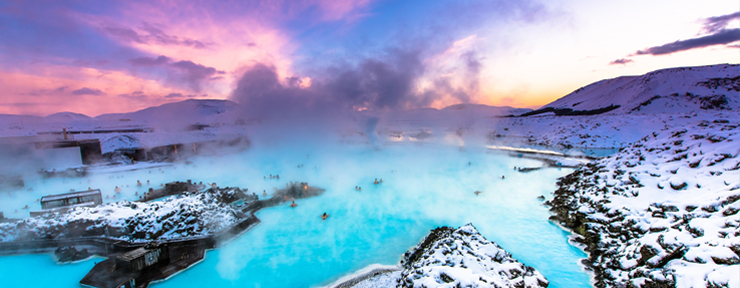
2. Gullfoss Waterfall. It roaring over the escarpments and bluffs of south-western Iceland. It’s famed as one of the most dramatic cataracts in the world, and cascades over a series of stepped rocks and terraces.
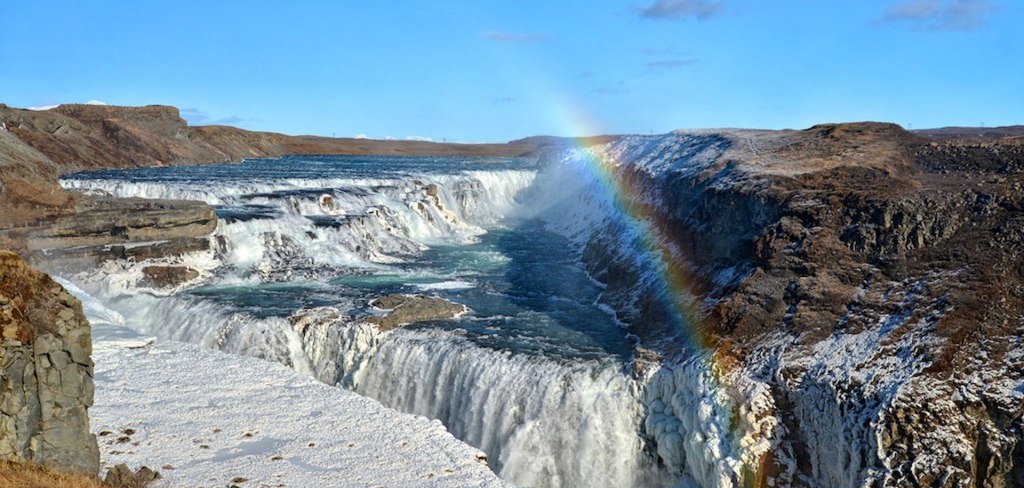
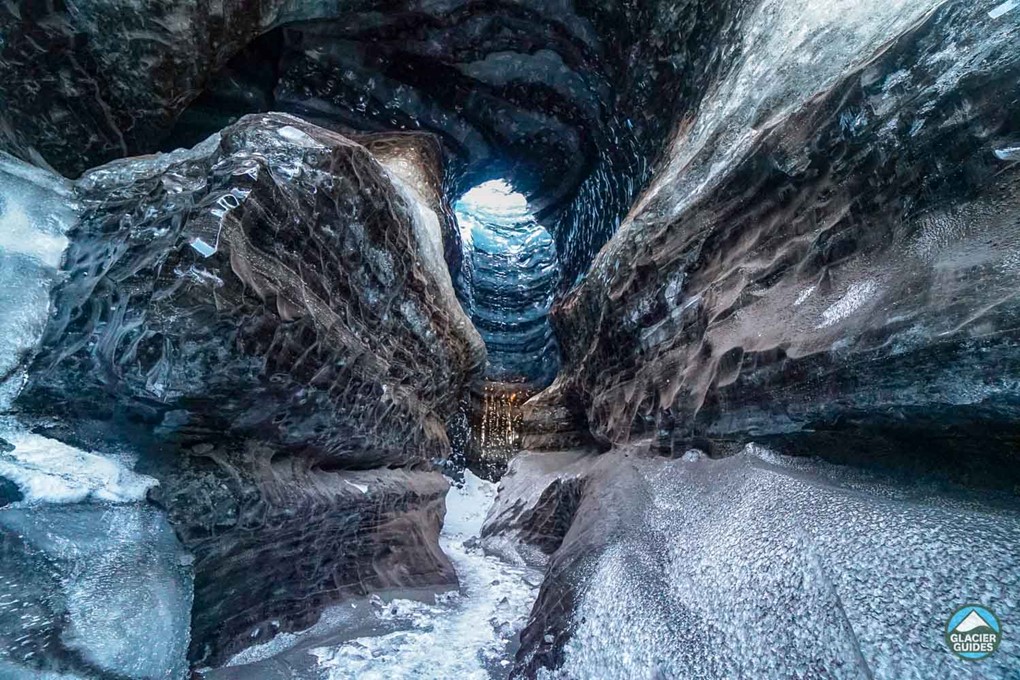
3. Myrdalsjokull Glacier Park. Caked in ice all year round, the soaring ridges of the mighty Katla caldera play host to Iceland’s wild and arctic Myrdalsjokull Glacier Park. This snow-packed field encompasses hundreds of square kilometers and represents the fourth-largest of its kind in the country.
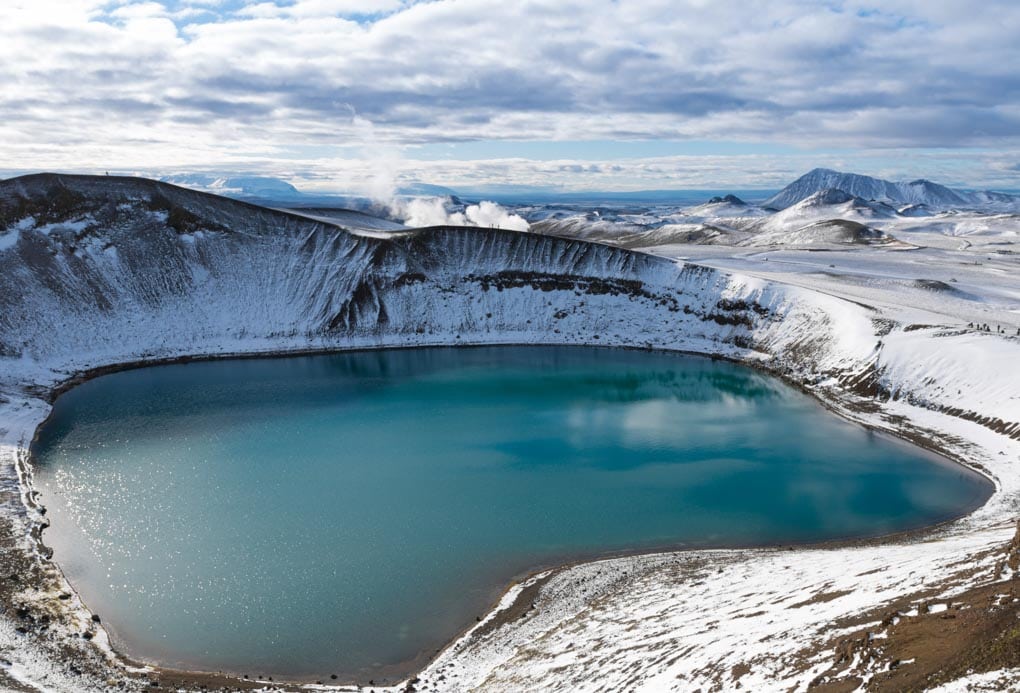
4. Lake Myvatn. It offers up a truly otherworldly landscape that ranges from craggy craters to curious volcanic plug holes to bubbling mud pools and oodles more. It’s thought the lake popped into existence following a volcanic eruption more than two millennia ago, and today it’s much-loved by bird watchers, hikers and adventure seekers alike.
 holidays blog